

The Symbolism of Savagery: Grappling with The Lord of the Flies
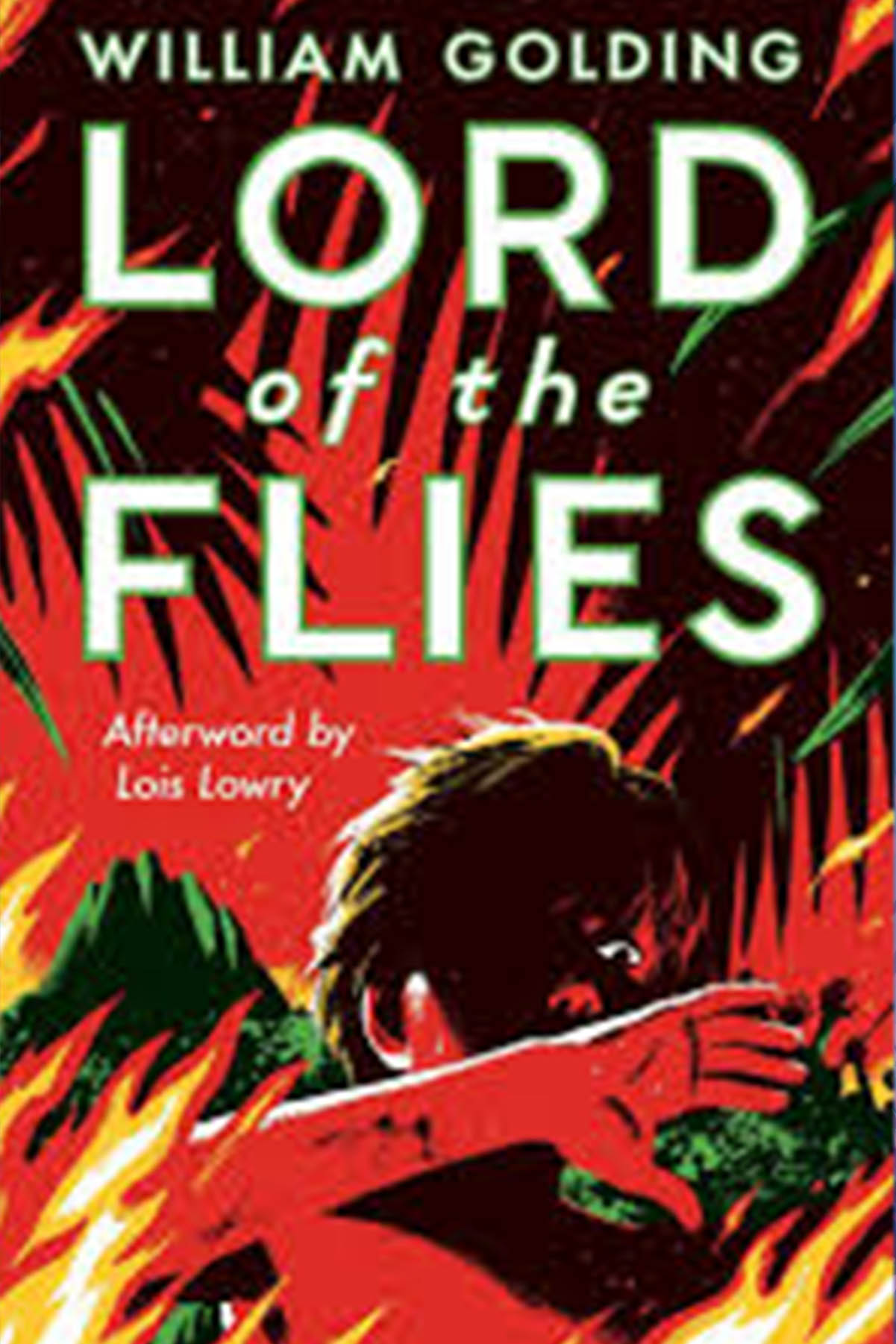
The Lord of the Flies is a classic. It’s a book that many have read, and if you haven’t read it, you’ve most certainly heard about it. Now, I’m not huge on reading classics, but I was willing to give this one try because of how interesting the premise sounded. Set during WWII, a group of young boys are left stranded on a deserted island after a disastrous plane crash, with no adults and no way to get home. The boys are thrilled at the prospect of an Adult Free World, but they soon realize that someone has to lead. They elect Ralph as the chief, whose sidekick Piggy is often picked on and made fun of, even by Ralph himself. Ralph befriends a choirboy called Jack, who turns out to be the antagonist in this story. Both boys grow to loathe each other as the days pass, with Jack getting hungrier for power. Soon, what was initially thought of as a blissful escape from the Adult World quickly develops into something more sinister and unsettling.
While it takes place during the war, this book is a postwar reflection from someone who witnessed the horrors of war firsthand. William Golding masterfully expresses the conflict between civilization and savagery within man and the true nature of humankind in The Lord of the Flies.
The most compelling part of this book isn’t the characters or even what’s happening directly on the island but what it all symbolizes. There’s Ralph, the picture-perfect innocent schoolboy, who symbolizes the duality of man and its ability to contain both good and evil; there’s Jack who represents the true evil of man and all of its worst aspects; there’s Simon, Jack’s polar opposite, and is the symbol of pure good; and finally, there’s Piggy who symbolizes the knowledge of man, and how knowledge can be used for good and evil.
The debate about the inherent qualities of man is a fascinating one, and Golding holds a rather pessimistic view regarding it. The longer the boys stay on the island, free from the constraints of civilization, the more savage they become; finding joy in hunting pigs, partaking in animalistic rituals while chanting “Kill the beast! Cut his throat! Spill his blood! Do him in,” and even turning on one another. Through these developments, Golding demonstrates his main point: mankind, when left to their own devices will return to its savage instincts. While of course there are some outliers to this, as Golding conveys through Simon, they are few and far in between. And, as seen with Simon’s eventual death at the hands of the other boys, they do not survive well in a dog-eat-dog world.
I think the thing that makes Lord of the Flies so successful is the way William Golding manages to drop subtle hints in the story, straight from the beginning, and they become more apparent as the book progresses, and actions turn from worse, to what could only be described as barbaric and bloody. I also appreciate how the development of Ralph is made evident to the reader. Ralph is portrayed as having blonde hair and blue eyes, the perfect recipe for innocence. He is arrogant and care free and the prospect of having a whole island to himself is certainly appealing. However, as time passes by, and things go out of hand, Ralph matures and realises life is not all about how many friends you have and how popular you are, nor is it about having fun.
While I found the symbolic meaning behind everything that occurred on the island to be deeply fascinating, the actual plot of the book was quite lacking. Not much happens for most of the book, yet Golding spends pages and pages explaining the most irrelevant details that are never brought up again. When events do actually happen, they feel rushed and almost illogical at times.
The heavy amount of detail made it pretty difficult to get throught The Lord of the Flies. Instead of simply saying that the plane had crashed and left a mark on the island, Golding writes, “All round him the long scar smashed into the jungle was a bath of heat.” Maybe I wouldn’t have minded this if Golding also used some of this description for the boys, but nearly all of it was focused on the environment, which led to some very flat characters. Besides Ralph, Jack, and maybe Piggy, the rest of the boys were interchangeable and didn’t really have any defining characteristics. Even the boys that did go through visible character development didn’t really evoke any sense of empathy within me. I feel like I never got the chance to form any sort of connection with the characters because of how little I truly knew about them.
So, while I did appreciate the deeper meaning behind the book, and the philosophical debate it brings up, I didn’t enjoy actually reading the book too much. I think if Golding had focused a little bit less on excessive description, and more on the actual plot, reading The Lord of the Flies would have been a completely different experience for me.
