

Threads of Guilt and Redemption: The Emotional Journey of The Kite Runner
“Children aren’t coloring books. You don’t get to fill them with your favorite colors.”
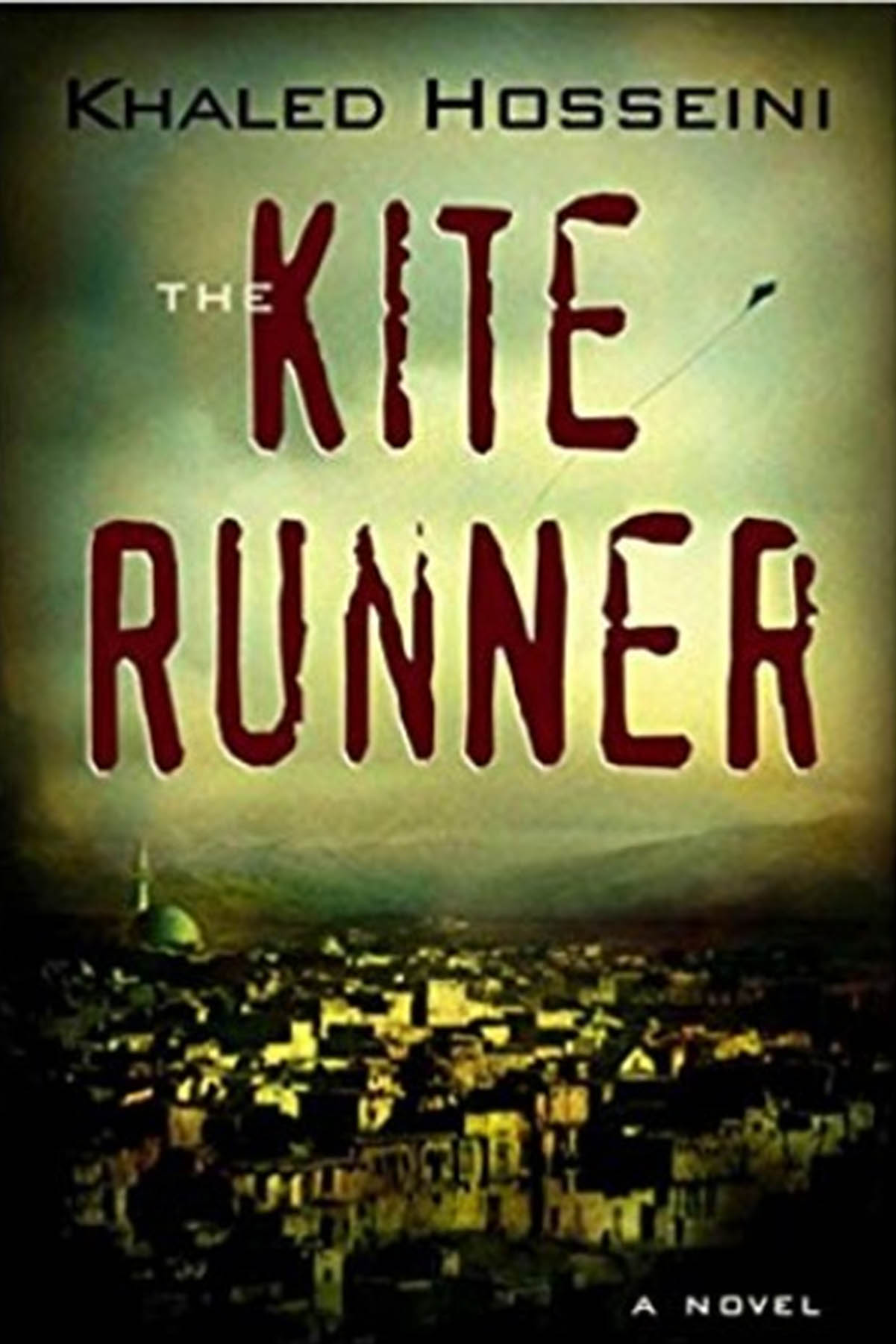
There are two types of books, usually, that make one feel like there are no words to describe the experience: They are either unbelievably detrimental, or exceptionally (and positively) impactful. Given the overall high rating, it is redundant to tell, to which category The Kite Runner by Khaled Hosseini belongs. I don’t think there are that many books, especially fiction, that could leave such a profound effect on a reader’s mind.
Amir and Hassan are two little boys living in the peaceful Afghanistan of 1975, before the Russian invasion, and the subsequent civil wars. Amir is the spoiled son of a wealthy and prominent merchant. Hassan is the cleft-lipped son of an inferior caste, and a servant in the house they both live in. During their childhood they become fervent competitors in kite fighting tournaments, and unquestionable friends. Until one fateful day a traumatic event starts gradually separating them forever apart. Decades later, the dark secret that separated them so many years ago starts re-emerging. A secret that ends revealing long forgotten family betrayals, wars, and ethnic differences that led two little inseparable boys into very different life paths.
I honestly don’t even know what to say about this story. It was so heart wrenchingly painful to read, I found myself crying so hard I could barely make out the words on the page. It pushed my boundaries and forced me to fight through it. It made me think about unpleasant things, it forced me to see the bad and ugly things our world is made of. Mainly, it grounded me and put all of my petty gripes into perspective. We all need to be reminded of how blessed we are at times, and this was a huge wakeup call for me.
The Kite Runner is a heartfelt and touching story that shines a light on the injustices, suffering, and racial disparities felt across the world, without being judgemental. A story that needed to be told and a book that should be read. However, it was the forgiveness in the book that pulled on my heart strings just as much.
I love books that deliver strong messages but don’t lecture or patronize or seek to influence the reader politically or socially. It is up to the reader to take from these stories what they will and shape their own opinions. Yet they do help us understand different perspectives, the hardship of people displaced and suffering that comes with unrest and for that reason I adored this book.
The writing style is superb, and I particularly loved the words and teachings of the wise men, and there is no shortage of them in this narrative. One of my standout quotes from this beautiful book is, “…there is only one sin, only one. And that is theft. Every other sin is a variation of theft. Do you understand that?’ …. ‘When you kill a man, you steal a life,’ Baba said. ‘You steal his wife’s right to a husband, rob his children of a father. When you tell a lie, you steal someone’s right to the truth. When you cheat, you steal the right to fairness. Do you see?’”
Hosseinis’ depiction of Afghanistan is so heartbreakingly real and emotionally devastating. We get to see how Afghanistan has changed from the time that Amir was there as a young kid to now, years later, under the rule of the Taliban. “There are a lot of children in Afghanistan, but little childhood.”
This is a story of friendship, survival, and regret, and the means we go to to forgive someone. If you can live with a broken heart and are able to deal with the pain, this book is highly recommended.
