

Beauty, Corruption, and Consequence: A Portrait of The Picture of Dorian Gray
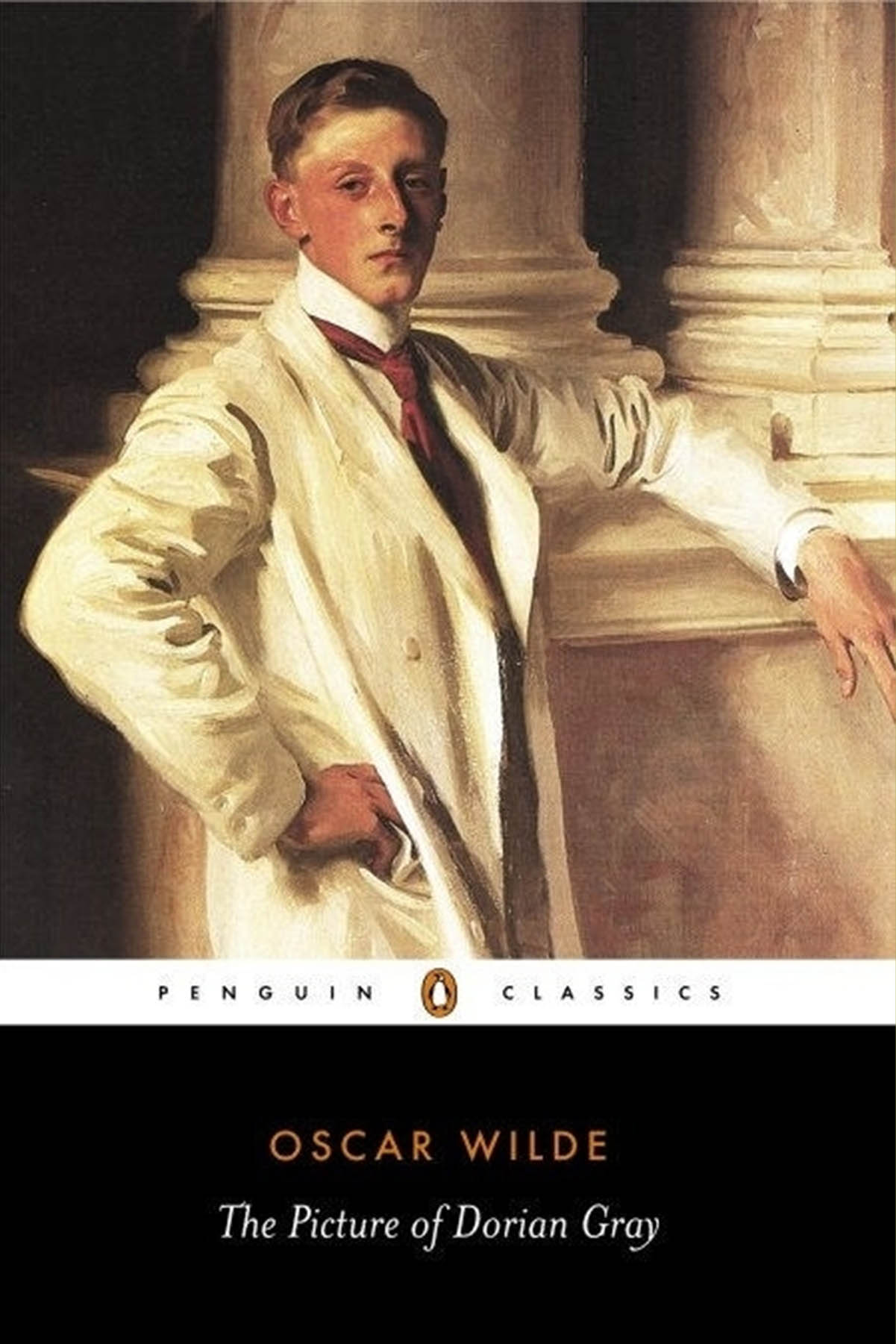
“I don’t want to be at the mercy of my emotions. I want to use them, to enjoy them, and to dominate them.”
The book follows Dorian Gray, a beautiful young man who becomes the subject of a portrait by painter Basil Hallward. When the painter, who has quickly become fascinated with Dorian, introduces him to Lord Henry Wotton, Dorian begins a downward spiral into the Lord’s corrupting devotion to hedonism. Under the influence of Lord Henry, Dorian plunges into a world filled with debauchery, drugs, and actions with no consequences. After a love affair with actress, Sylvia Vane, ends with her dead, Dorian realizes that his appearance will remain untarnished, while his portrait will reflect the corruption of his soul. Every time he sins, the portrait becomes more and more distorted until it is completely unrecognizable.
I’ve never read a book so deeply philosophical that I enjoyed as much as I did this book. There are pages of conversation and dialogue that would usually seem tedious to read but instead were riveting and filled with quotes that truly made me think. Lord Henry says at one point, “Behind every exquisite thing that existed, there was something tragic.” Now, I certainly didn’t agree with all of his views, but I found them interesting.
Moreover, I found Lord Henry as a character to be so different than anything I’d read before. I did not like him as a person, but as an antagonist, if you can even call it that, he was brilliant. He convinces Dorian that beauty and youth are everything, telling him, “You have only a few years in which to live really, perfectly, and fully. When your youth goes, your beauty will go with it, and then you will suddenly discover that there are no triumphs left for you, or have to content yourself with those mean triumphs that the memory of your past will make more bitter than defeats…Live! Live the wonderful life that is in you! Let nothing be lost upon you. Be always searching for new sensations. Be afraid of nothing…. A new Hedonism – that is what our century wants.” He guides Dorian down a dark path, and though Dorian tries to better himself at times, Lord Henry is always there, enforcing his vile beliefs.
However, I found Dorian to be even more intriguing. He is an interesting study because he is representative of many things. He shows how a seemingly pure soul can be corrupted if it’s left in a sense of privation and given terrible guidance. In the beginning, he is described as, “There was something in his face that made one trust him at once. All the candor of youth was there, as well as all youth’s passionate purity.” But, under the corruption of Lord Henry, he soon enters a world with no consequences. Everything he does is attributed to the painting, everything. Any regret or malice leaves him quickly and is transferred to the canvas. So he can’t technically feel emotion for an extended period of time; thus, his attitude becomes one of nonchalance. He becomes a shell, an emotionless creature who can only seek his sin: vanity. He surrounds himself with beauty. His house is full of art, brilliant music, and every luxury known to man. You name it. Dorian’s got it. Only through seeking new experiences, these pleasures, can Dorian’s being remain animated. I intentionally used the word “being” because Dorian’s body no longer harbors his soul; it’s in the painting. Everything he does is for his own indulgence; he just doesn’t care what effect his presence has on others. The perfect moment is all he lives for.
I didn’t really like any of the characters in this book as actual people. I found Basil who could be considered the most “moral” out of all of them to be slightly bland. I was annoyed with Lord Henry and Dorian for constantly blaming all of their actions and the consequences of their actions on others. There is a point in the book when a character kills themselves and they are blamed for being selfish because of the turmoil and guilt it caused Dorian. Lord Henry is also extremely sexist and even says, “My dear boy, no woman is a genius. Women are a decorative sex. They never have anything to say, but they say it charmingly. Women represent the triumph of matter over mind, just as men represent the triumph of mind over morals.” So, these are not likable characters in the slightest, but I still loved this book because of how awful they were. In books, there is typically a character (usually the protagonist) who is good and tries to help others. That was not the case with The Picture of Dorian Gray. This book was just so distinct from anything I’ve ever read.
Overall, I think this may be literature’s greatest study of shallowness, vanity, casual cruelty, and hedonistic selfishness. In the end, Dorian had lived a largely pointless life; his eternal youth counted for nothing. He never grew as a person, and he used the bounteous gifts he’d been given selfishly. He did horrible things that made it even worse. He was lucky in that he didn’t live long enough to count the full cost of those actions. He allowed the portrait to take the weight of those sins instead of letting them rest where they belonged. The Picture of Dorian Gray is truly eyeopening to the harsh realities of the way in which some perceive themselves as superior to the rest.
