

Second Chances and Subtle Signs: The Warmth of Tales from the Cafe
“When spring begins, however, cannot be pinpointed to one particular moment. There is no one day that clearly marks when winter ends and spring begins. Spring hides inside winter. We notice it emerging with our eyes, our skin and other senses. We find it in new buds, a comfortable breeze and the warmth of the sun. It exists alongside winter.”
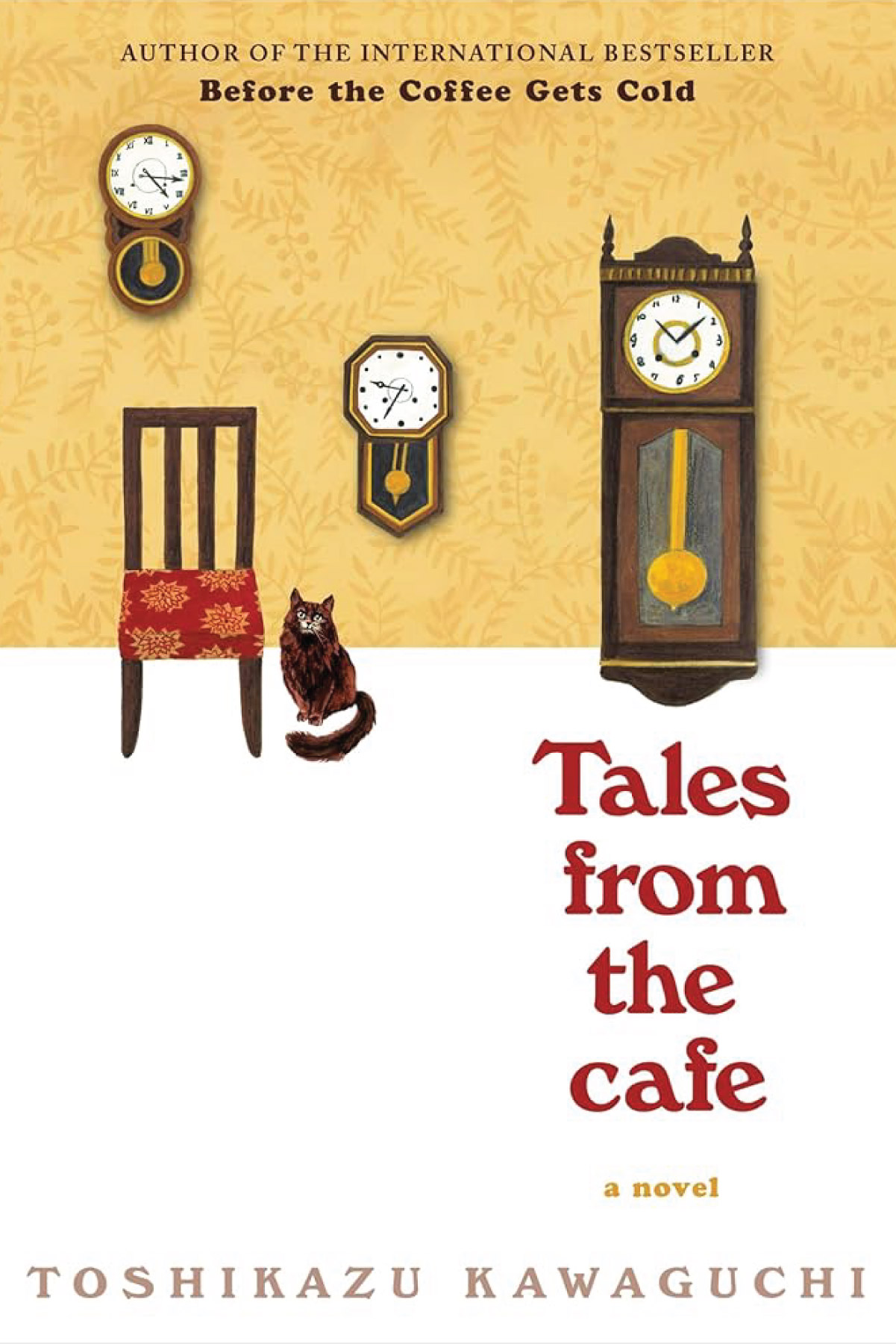
The second installment in the Before the Coffee Gets Cold series, Tales From the Cafe by Toshikazu Kawaguchi (translated by Geoffrey Trousselot), returns to Café Funiculi Funicula, where patrons can embark on a journey into the past and/or future as long as they follow a list of rules among which is that nothing done in the past would impact the present or the future and you must return to the present before your coffee gets cold. This time we meet four new time –travelers. We have a man who visits a dear friend who was killed in a car crash 22 years ago and whose daughter he has raised as his own. We also meet a man, who was unable to attend his mother’s funeral and travels back in time to see her once again. A terminally ill man travels to the future to see the woman he loved and to ensure that she leads a happy life and not allow his death to prevent her from finding happiness. The final time traveler is a policeman nearing retirement who meets his late wife on her birthday – a day he missed on account of work- to give her a gift.
With simple prose, endearing characters (old and new) and stories that touch your heart, Before the Coffee Gets Cold: Tales from the Café is an impressive sequel. Though I did enjoy reading the first book in the series, I must say that this book is an improvement over the first. Not only is the writing more fluid and less disjointed , but the characters are very well fleshed out and the stories are characterized by much more emotional depth and nuance. “The lighting hadn’t got any brighter. Yet everything now looked fresh to his eyes. His despair at life had metamorphosed into hope. His outlook had changed unrecognizably. The world hasn’t changed, I have . . .” We get to know more about the café owner and his family and we finally get to know the story of the mysterious woman who occupies the time-travel chair in the café, vacating it only once a day, opening up an opportunity for others to embark on their journeys, which added a bit of closure to some of the mysteries left open in the previous installment. Yes, there is a certain amount of repetitiveness (with each of the patrons being reminded of the rules) but that can be easily forgiven on account of how beautifully written these interconnected stories are.
Already being familiar with the cafe environment and staff, I felt more of a connection this time around and found the stories to be more cohesive. Although they’re all contained within their own story arc, the staff offer a more complex and slow building tale that connections everything together. I’ve grown to really like the staff at the cafe, and the endearing and complicated reasons people want to travel to a different time. Whether it’s redemption, self reflection, guilt or just a need for some closure, every story is simply yet beautifully told, with every patron having a unique story to tell. Each narrative feels like a slice of life episode in a TV show, and although there are heartbreaking stories underlying each relationship explored, reading Tales still managed to make me feel warm.
My favorite parts of the book, however, were the small moments in which Kazu, a staff member and the designated coffee-pourer for time travelers, gets the spotlight. The overarching story of her past and complicated relationship with her mother shines through each story, and connects wonderfully to each of the time-travelers tales. I won’t spoil anything, but I really hope that Kawaguchi further explores her character in the following books!
The most powerful message in this book is somewhat of a wakeup call for many: “The reality was, however, that none of his wishes would come true. He could not change the past.“ Even though the rule that you cannot change the past is reiterated in every chapter, the second story really drives this point home. It provides a reflection on the mortality of humanity, and it emphasizes that it doesn’t matter what happened in the past; the future is the only thing you can control. The patrons that travel to the past don’t gain anything material, or even cause any tangible changes; they gain a greater insight into themselves, both who they are and who they want to be.
