

Echoes in the Desert: The Haunting Questions of Men in the Sun
“I was sure that the God we had known in Palestine had left it too, and was a refugee in some place that I did not know, unable to find a solution to his own problems.”
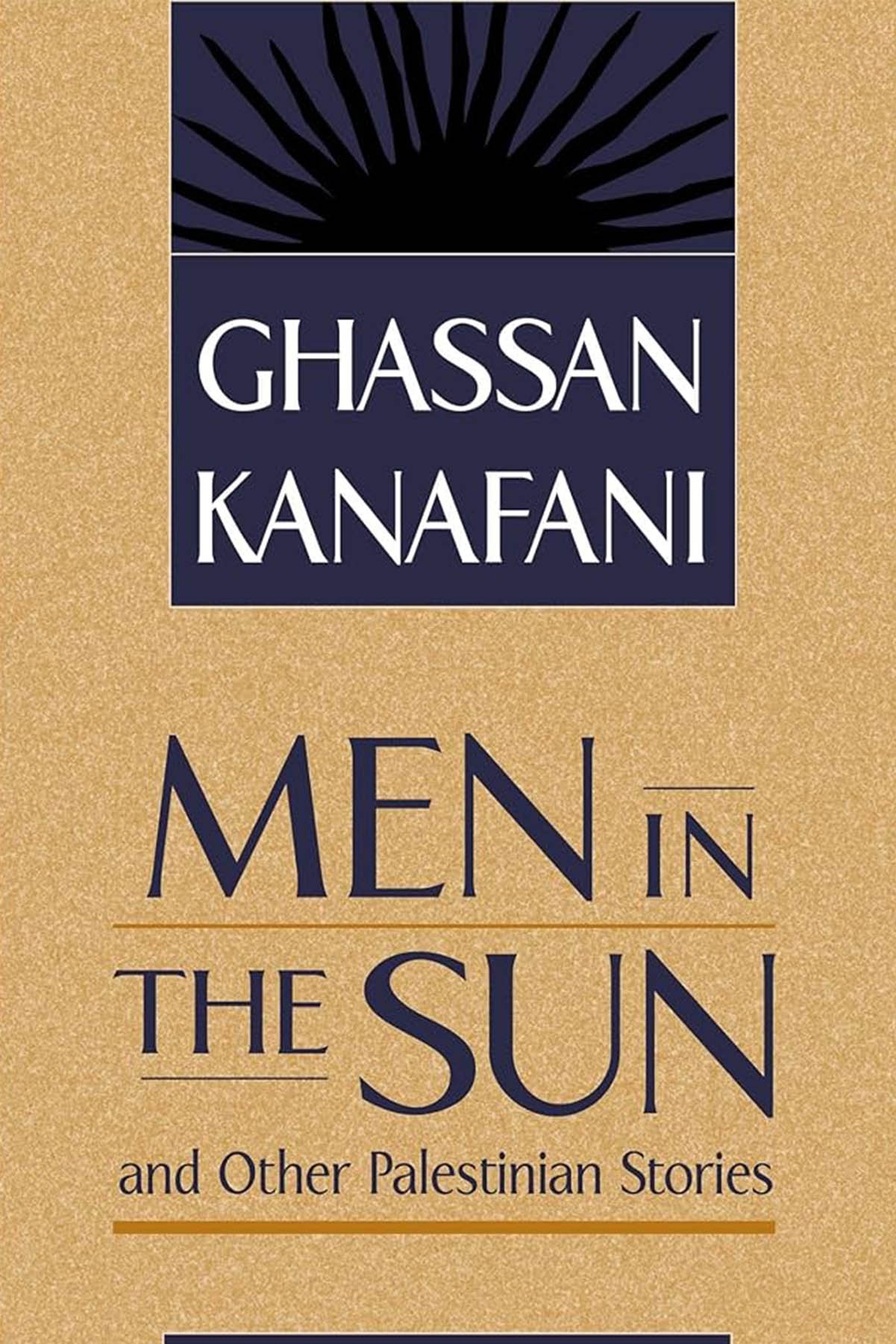
One of the most powerful books I have read this year, Men in the Sun by Ghassan Kanafani traces the grim voyage of three Palestinian men who leave their homes to seek work in Kuwait to help their families and the smuggler that attempts to help them. Flitting between the perspectives of four men– Abu Qais, Assad, Marwan, and Abul Khairuzan– Kanafani delves into the intricacies of displacement, despair, and the elusive pursuit of a better life. Kanafani’s characters traverse the scorching desert, mirroring the relentless journey of the Palestinian people.
Of the novella and six short stories that constitute this work, the novella, Men in the Sun, was the most powerful and memorable. Though a translated work, Kanafani’s profound, symbolic prose and creative use of literary devices made each story a captivating read. “Over there was Kuwait. What only lived in his mind as a dream and a fantasy existed there. It was certainly something real, of stones, earth, water, and sky, not as it slumbered in his troubled mind. There must be lanes and streets, men and women, and children running about between the trees.” Even though it is written from the perspective of the individual protagonists, the narrative focuses on the collective identities of the Palestinians who have been lost in the disaster they’ve been faced with. Each of these men are of different ages and come from various backgrounds and generations. Yet, the one thing they all share in common is that their lives have been uprooted and destroyed due to the Palestinian crisis. It is so heartbreakingly beautiful seeing how Kanafani uses these characters to illustrate the devastating impacts that the Nakba had and continues to have.
It seems almost ironically fitting that the novella ends as it does, considering that Kanafani himself was killed by a car-bomb explosion in 1972 in Beirut, likely due to political reasons. For the reader, it’s not a surprise that the journey ends in disaster. But, the guide asks a startling question that the reader is probably also wondering: “‘Why didn’t you say anything? Why?’ The desert suddenly began to send back the echo: ‘Why didn’t you knock on the sides of the tank? Why didn’t you knock on the sides of the tank? Why? Why? Why?’” Kanafani asks, and forces the reader to ask, many questions. What should a self respecting Palestinian do ? Should they fight the army occupying their land or is there another way ? Should the mother feel pride or sorrow when their sons sign up to fight ? At what point does the fight become personal enough for a young man to enlist ? Characters in these stories are constantly faced with these questions oftentimes lying beneath the surface of the story. Why flee Palestine when you can stay and fight is the question that hovers above all of Kanafani’s stories, it is expressed through character, narrative, metaphor and sometimes through rhetoric. It is a constant presence.
Kanafani himself was Palestinian, and it is clear how close and dear this issue was to him. His writing is so raw that it is a different kind of beautiful. His depiction of these various characters, with each of them symbolizing a different aspect of the struggle against political and economic adversity, makes the reader truly feel for every hardship that they are experiencing. Men in the Sun is a poignant and melancholic exploration of the Palestinian refugee experience. The novella’s brilliance lies in Kanafani’s ability to intertwine the personal with the political. This journey across the desert becomes a space where Kanafani can display the complexities of being Palestinian in such a harsh climate and the intergenerational impacts that the crisis has already caused.
