The Power of Diverse Voices
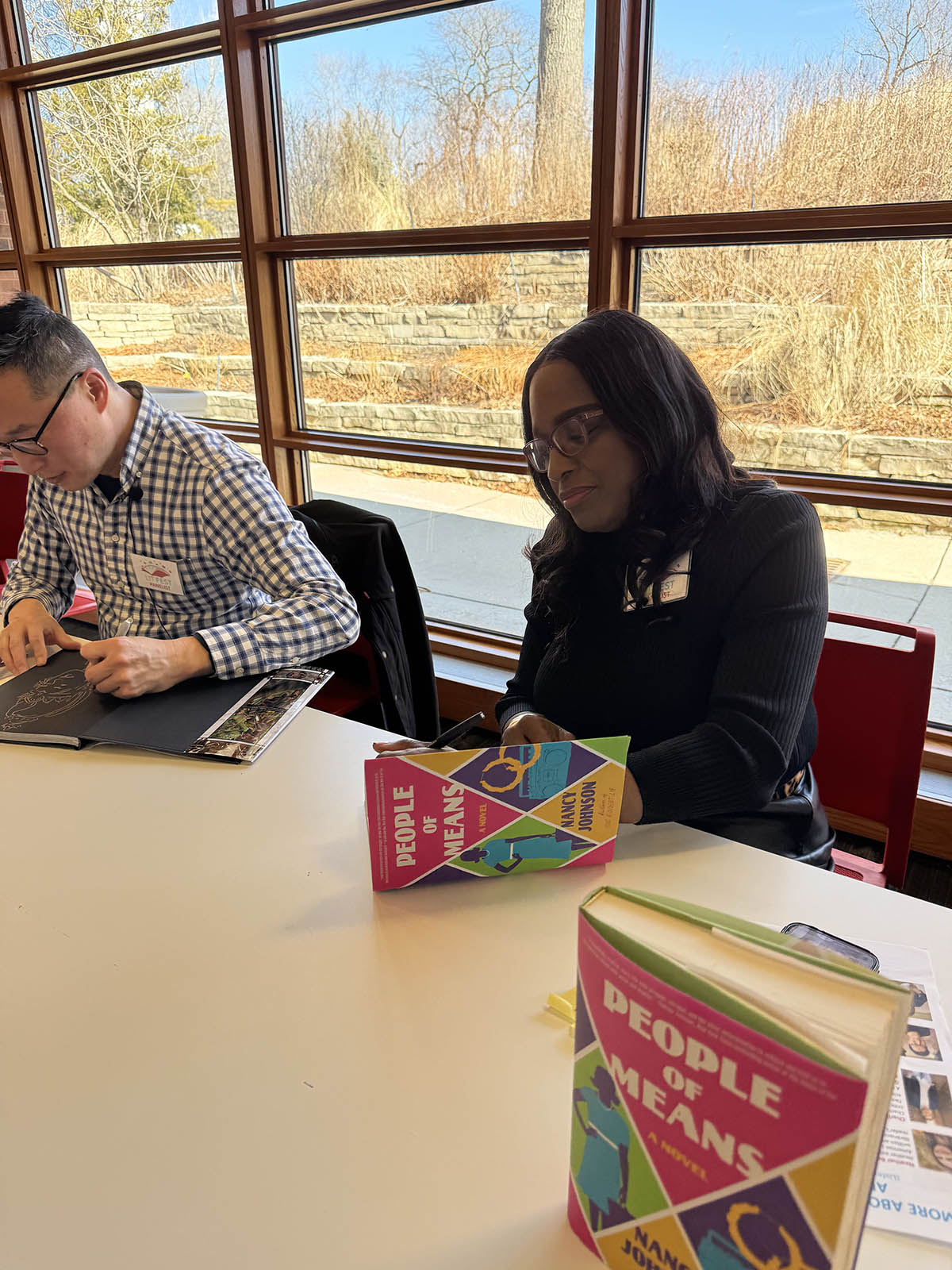
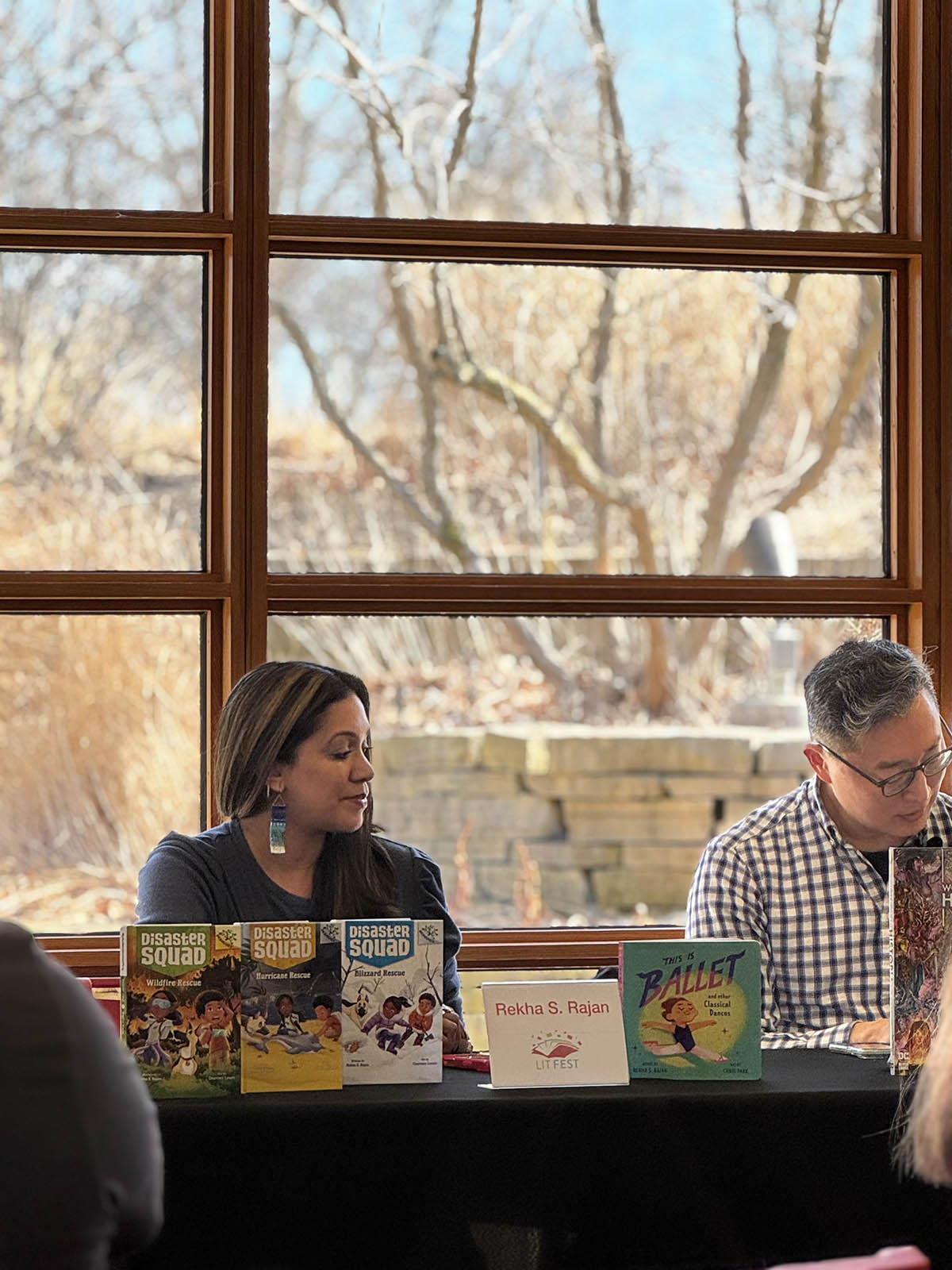
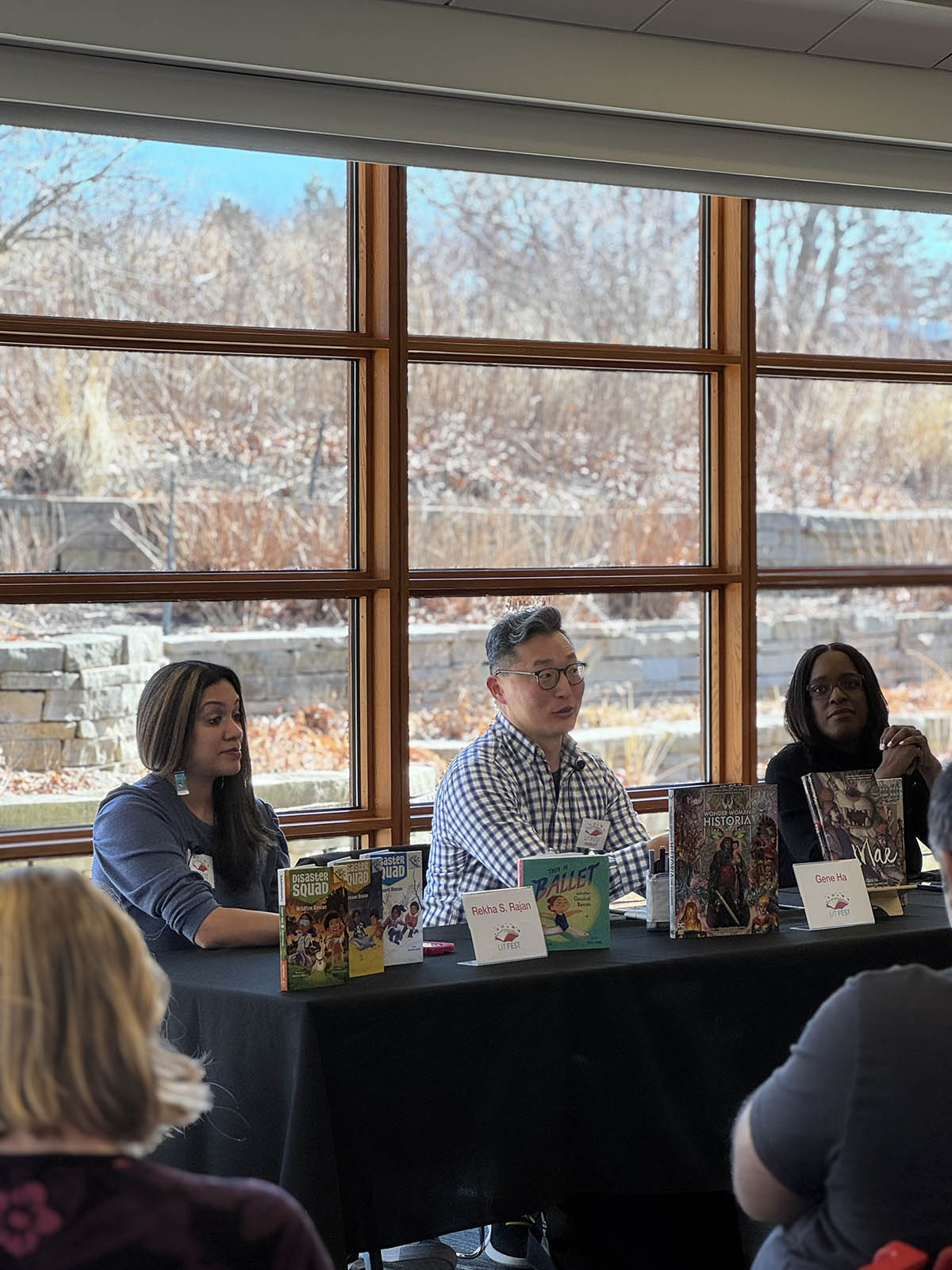
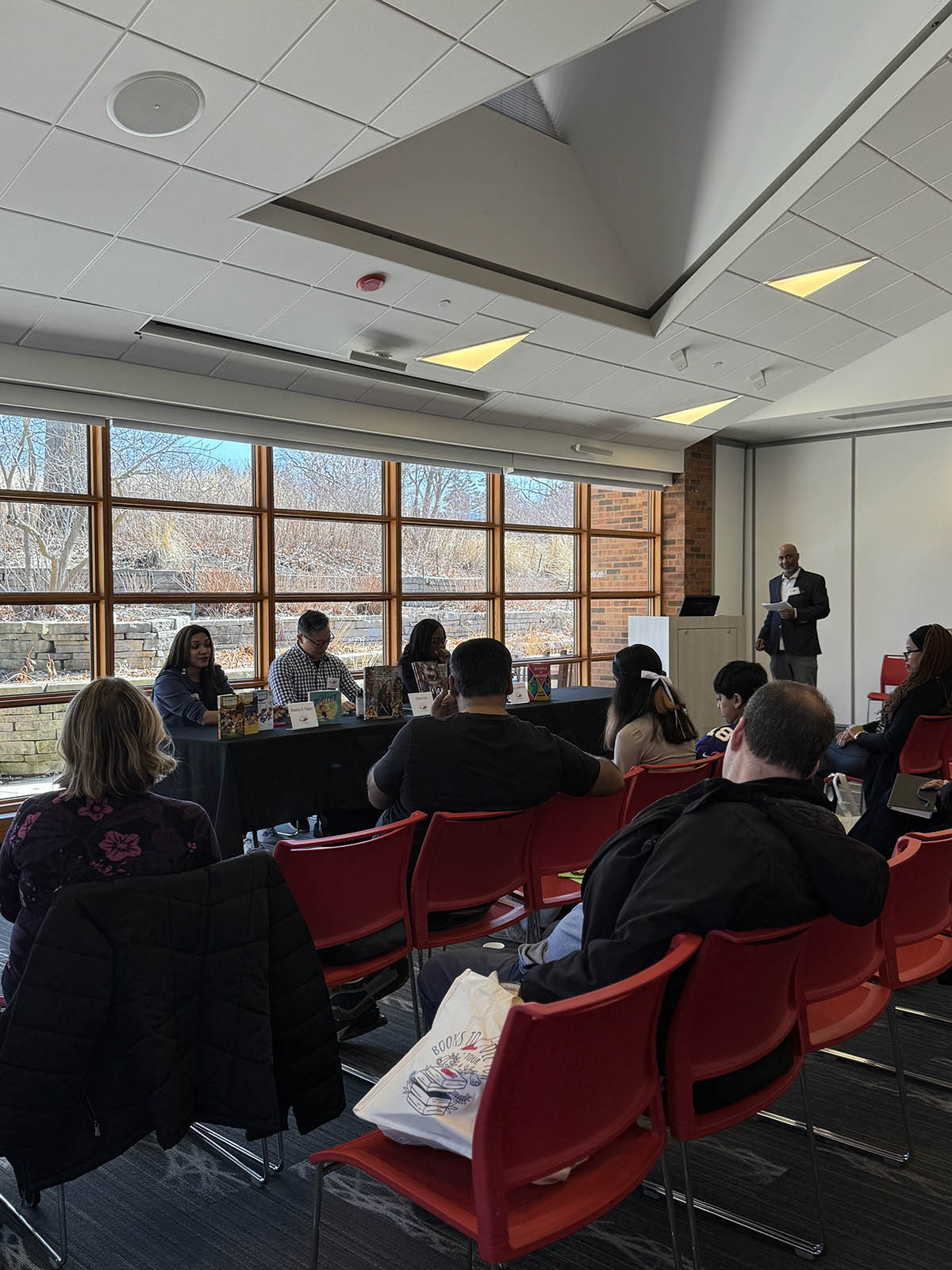
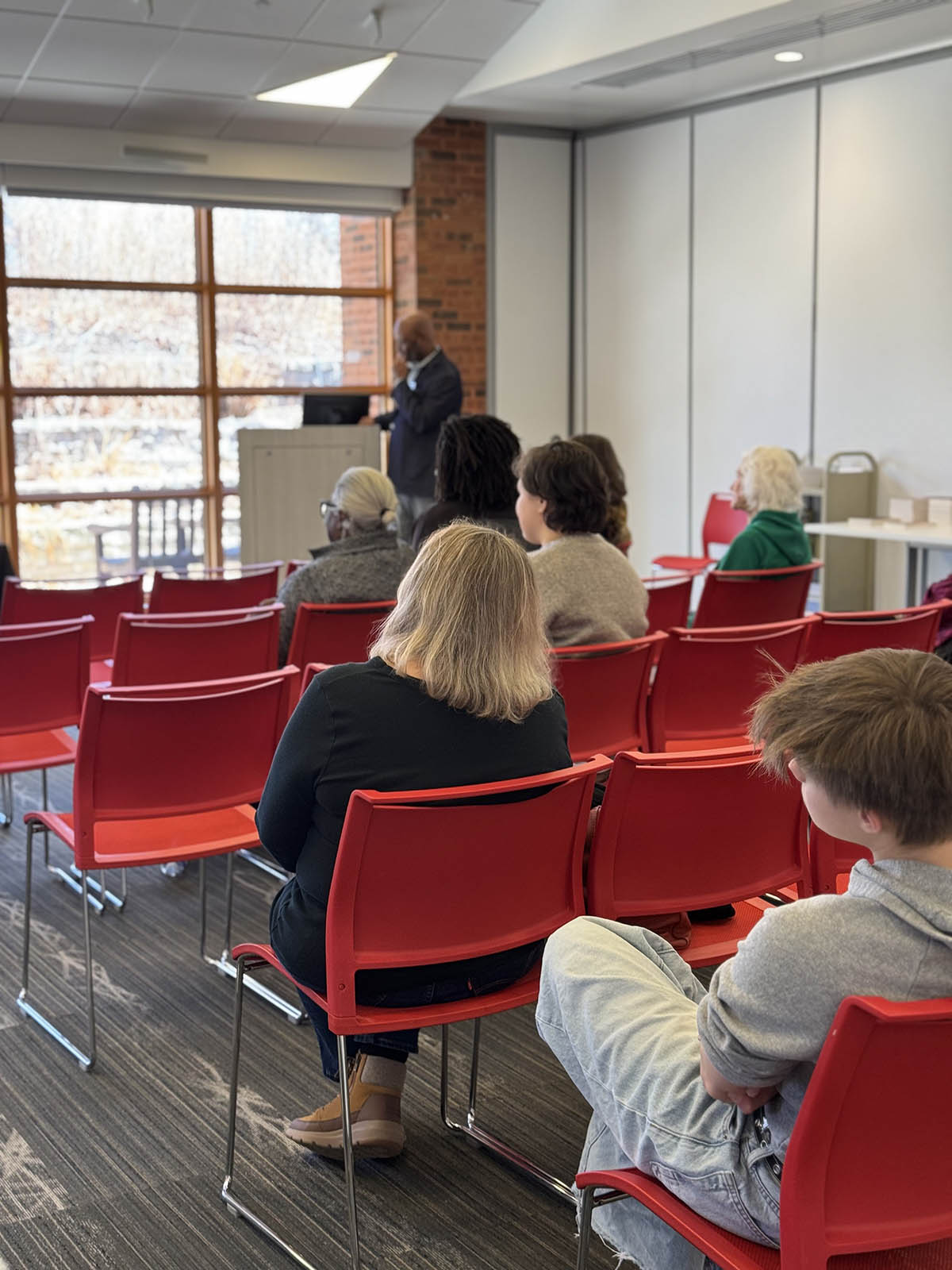
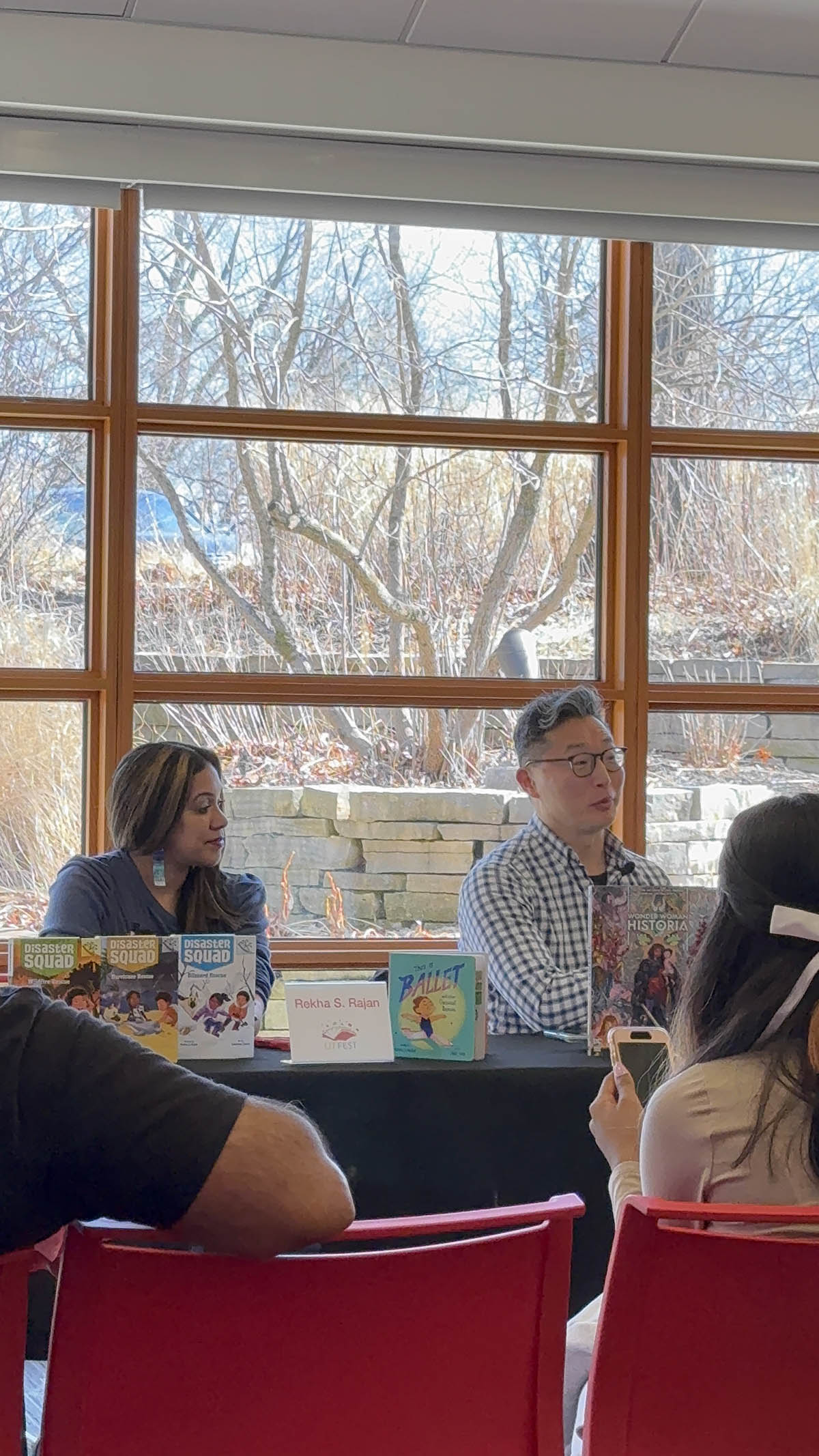
This panel explored how diverse stories shape not only the books we read but how we understand the world and ourselves. The conversation moved fluidly between craft, identity, and responsibility, offering a nuanced take on what it really means to write from a “diverse” perspective. It felt like part conversation, part brainstorming session, and in Gene Ha’s case, part art demo. He spent the whole time casually sketching audience members as the discussion unfolded, which somehow fit perfectly with the theme: stories (and drawings) as ways of seeing people fully.
The panel kicked off with a big question: “What does true representation in literature mean to you, and how can creators and publishers push for more of it?” Ha was quick to say that “true representation” isn’t about trying to cover every identity at once, it’s about telling one story honestly. Rekha Rajan nodded, adding that the smallest details, like a laugh or a dinner table scene, can feel more authentic than a book that tries to “teach” diversity.
When asked how their personal identities shaped the stories they tell, all three panelists agreed that writing what feels true to you will always connect better than trying to speak for everyone.
Ha put it simply, saying that, “I’m not writing for all Asian Americans. I’m just writing a story that feels true to me. If it resonates, that’s a gift.”
The discussion really came alive when the moderator asked for examples of representation done right. Rajan mentioned books that focus on joy in marginalized communities rather than just trauma, while Nancy Johnson talked about letting characters be “messy and complicated” instead of symbols. “The power of diverse voices isn’t just in who they represent,” she said, “it’s in how honestly they’re allowed to exist.”
One of the most moving moments came when the panelists answered: “Can you share a time when your work impacted a reader’s sense of identity or belonging?” Johnson shared a story about a reader who felt seen for the first time through one of her characters; Rajan talked about a child who said her book made them “feel like people like me can be heroes.” Ha, still sketching, just smiled and held up his drawing of an audience member. “I guess this is what I do,” he said, getting a laugh from the room.
The panel wrapped with advice for young writers from marginalized backgrounds: write the story only you can tell, don’t worry about pleasing everyone, and trust that the most personal stories often turn out to be the most universal.