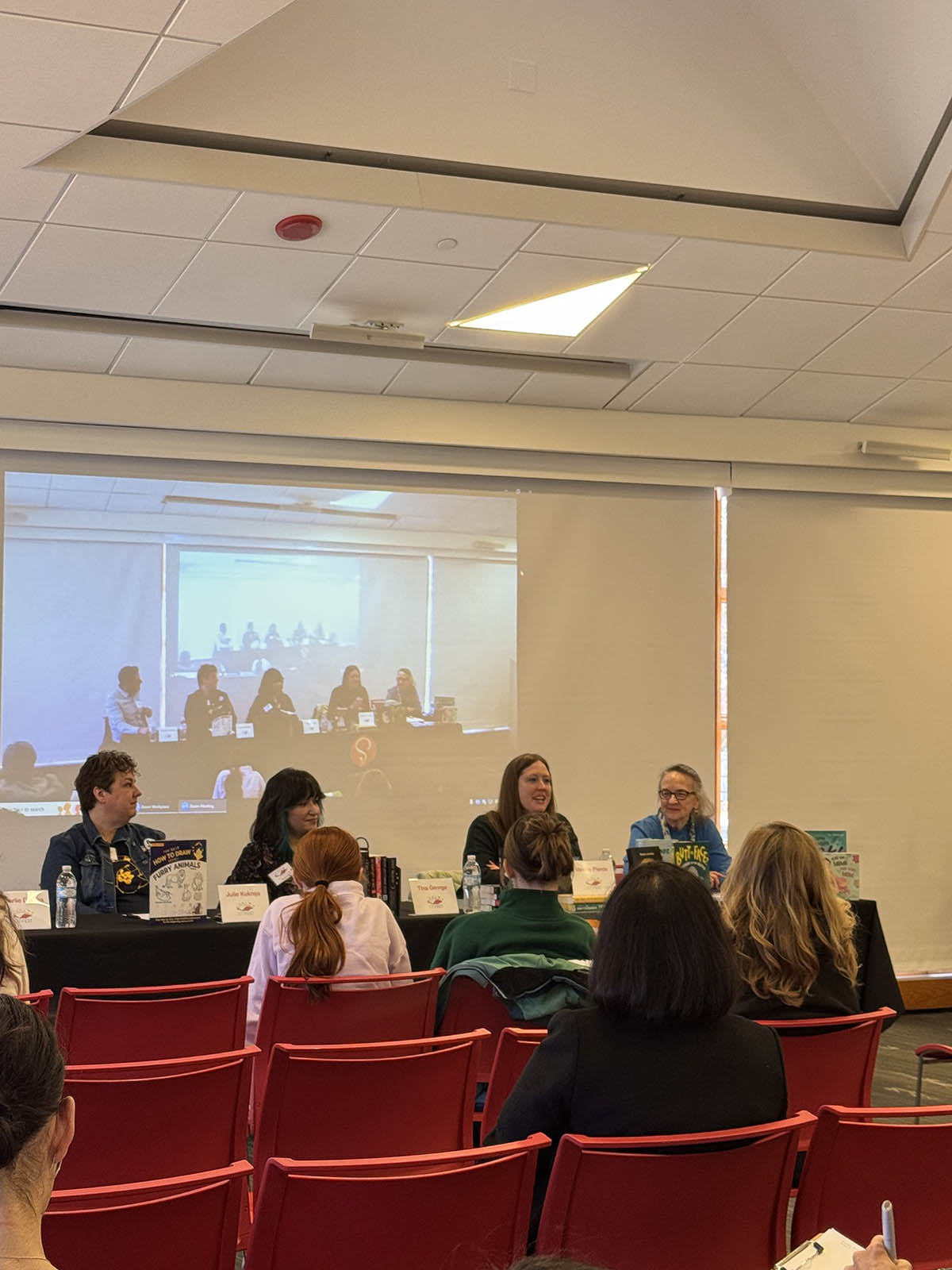
Paths to a Literary Career Part I
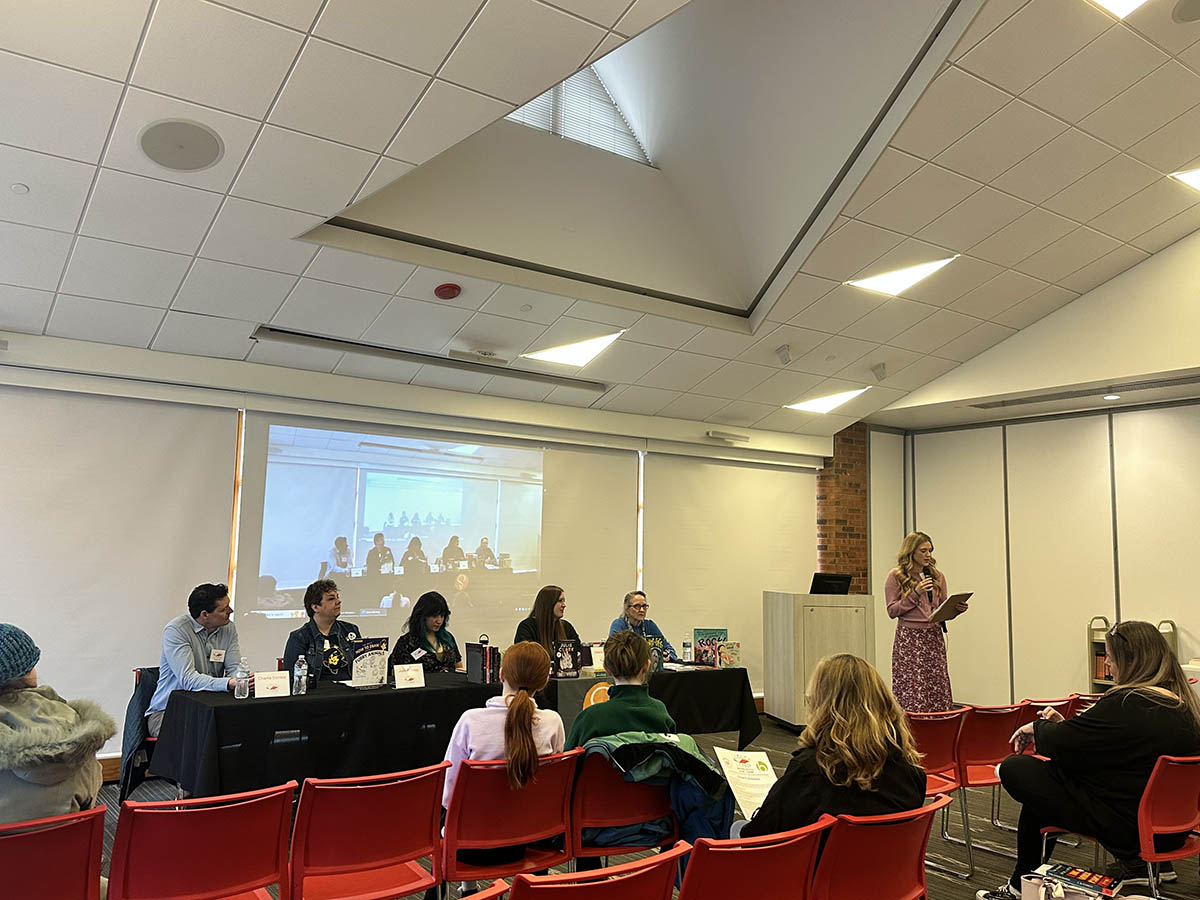
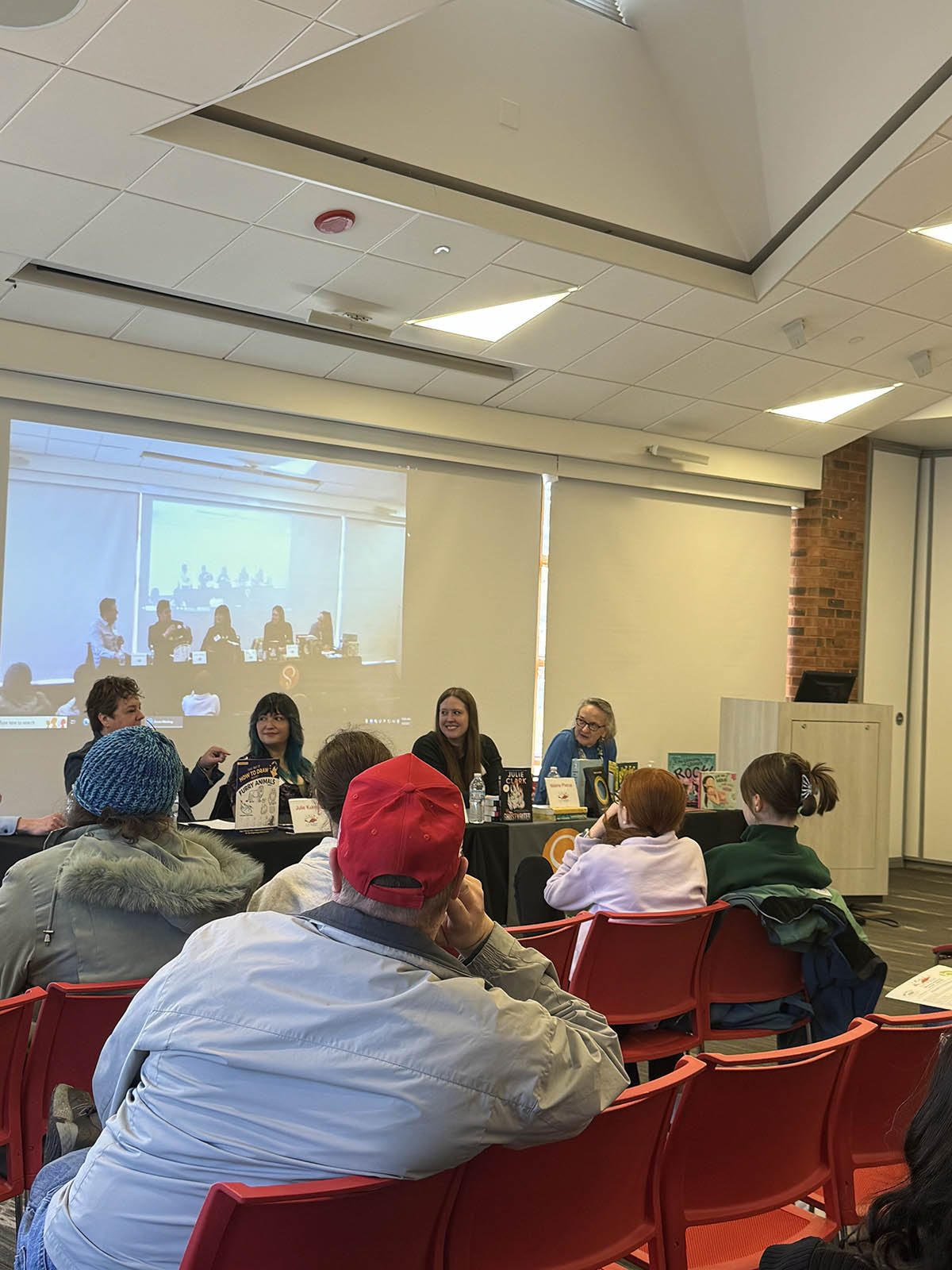
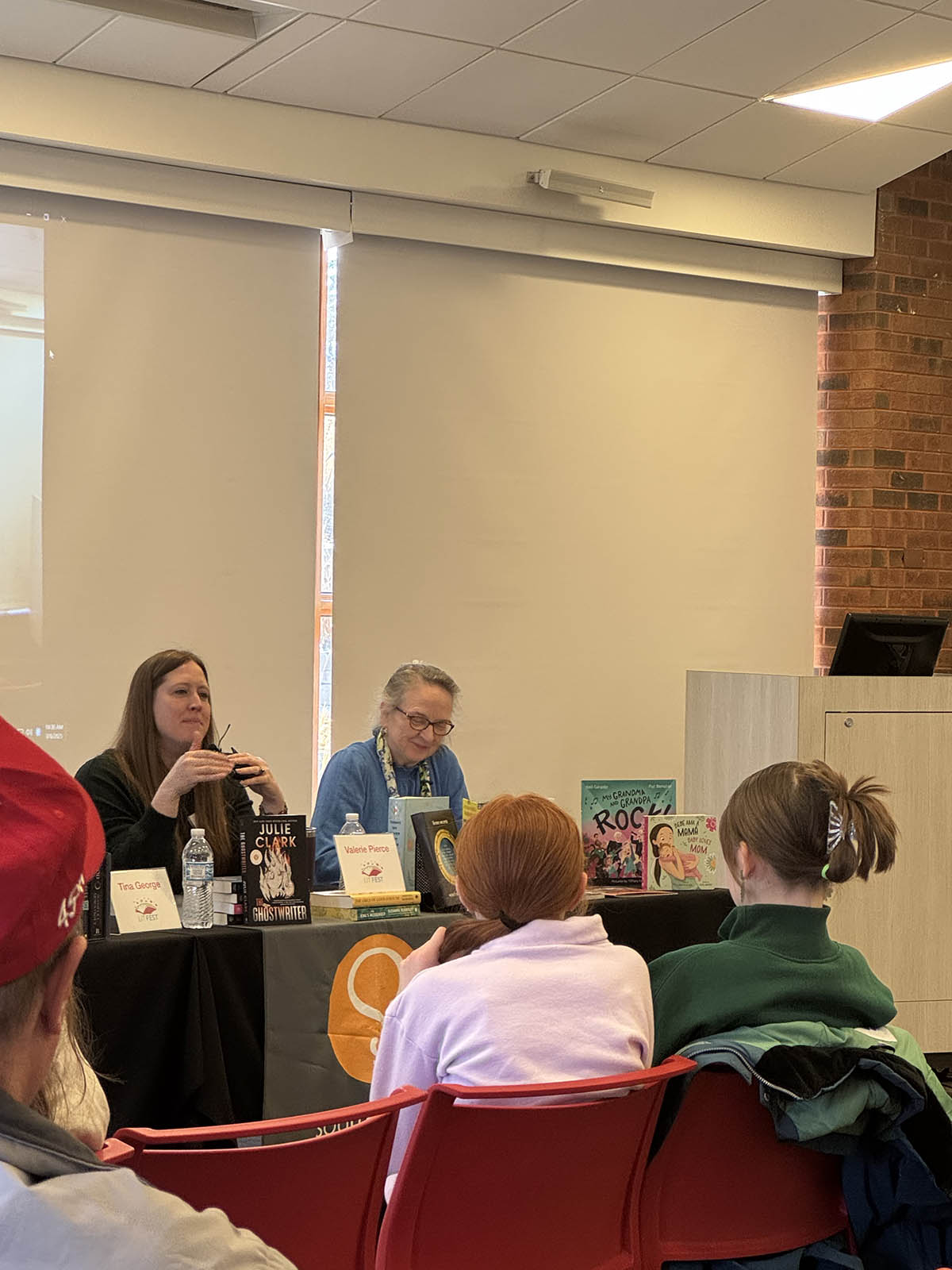
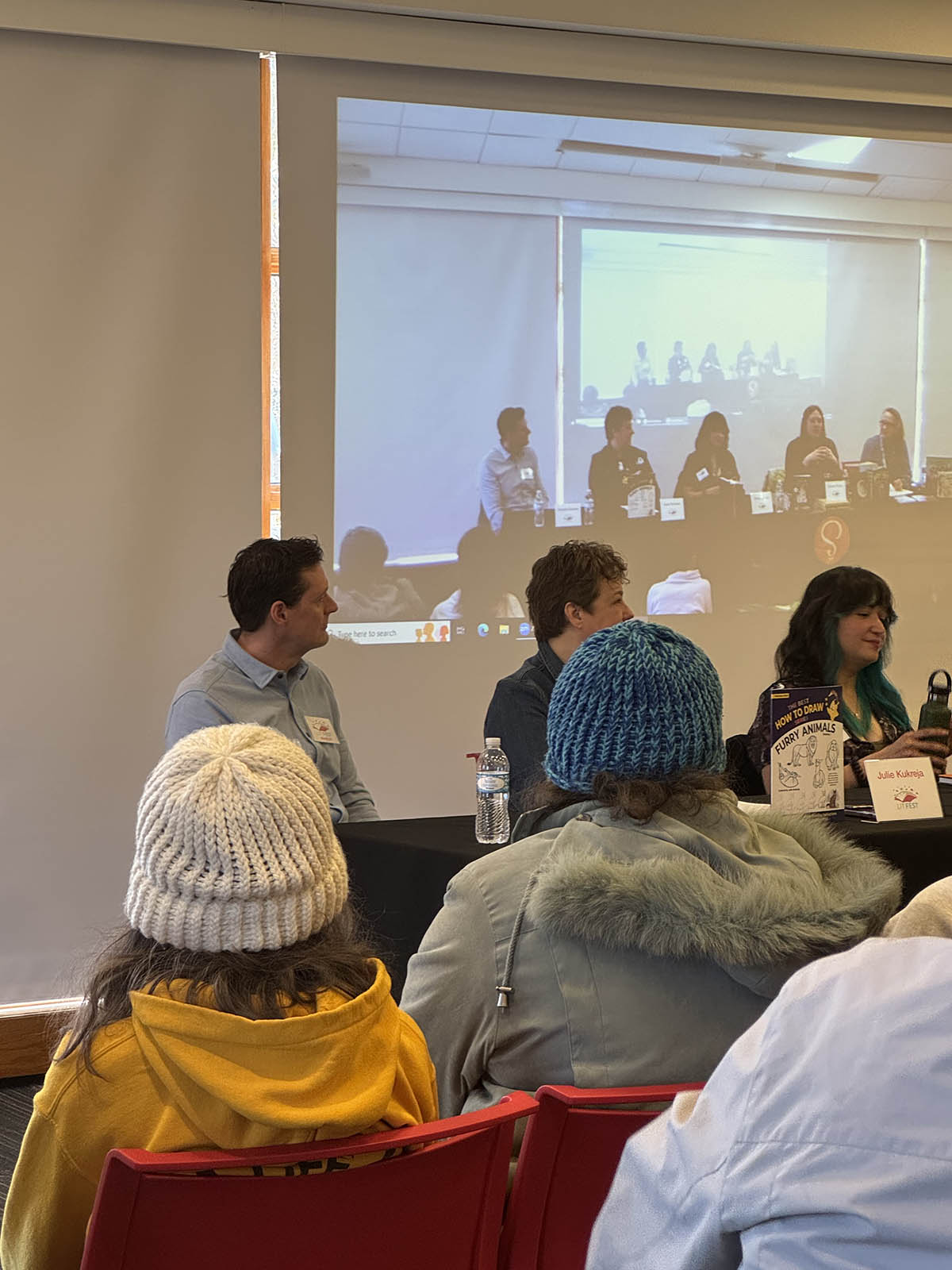
This panel gave attendees an inside look at the many traditional career paths in the literary world, from writing and editing to design and publishing. Panelists shared candid stories about how they broke into the industry, what their day-to-day work looks like, and advice for anyone interested in pursuing a literary career.
Charlie Donlea spoke candidly about the solitary discipline of writing, describing it as equal parts obsession and endurance. He described writing as an act of faith, one that requires showing up even when the page stares back blankly. “You have to love the story enough to fight for it,” he said, setting the tone for the discussion. Jen Prokop picked up on that idea, explaining that an editor’s job is to fight for the story, too, but from the other side. She described editing as “helping the book become the best version of itself,” often by asking questions an author may be reluctant to face. Donlea nodded, joking that every writer secretly dreads those questions, but needs them. She talked about balancing constructive feedback with respecting an author’s creative vision and shared tips on breaking into editing as a profession.
When Julie Kukreja joined in, she spoke about illustration as a kind of partnership with the text. “You have to listen to what the story wants visually,” she said, adding that some of the best illustrations happen when artists leave just enough space for the reader’s imagination. Prokop agreed, saying the best books are always a conversation between creator and audience. Kukreja spoke about translating tone into color and character into line, and how collaborating with writers requires a balance of vision and flexibility. She offered insights into portfolio-building, pitching work to publishers, and adapting illustration styles for different genres.
The Sourcebooks team expanded that conversation to the larger machinery of publishing. The graphic designer explained how the layout of a book guides the reader’s experience almost invisibly and how formatting can shape the flow of a story. The acquisitions professional shared how books are chosen for publication, describing it as “equal parts instinct, market research, and a little bit of magic.” The diversity and inclusion specialist brought a thoughtful shift in tone, reminding the audience that the industry has a responsibility to expand whose stories are told and who gets to tell them.
The panel closed with a lively Q&A, leaving attendees with practical advice but also a kind of call to action: there is no single doorway into a literary career, but curiosity, patience, and love of story are the keys that unlock them all.